Educational Programs

ADCRC aims to play an active role in connecting children and youth with animals, nature, and the desert environment in a meaningful and engaging way.

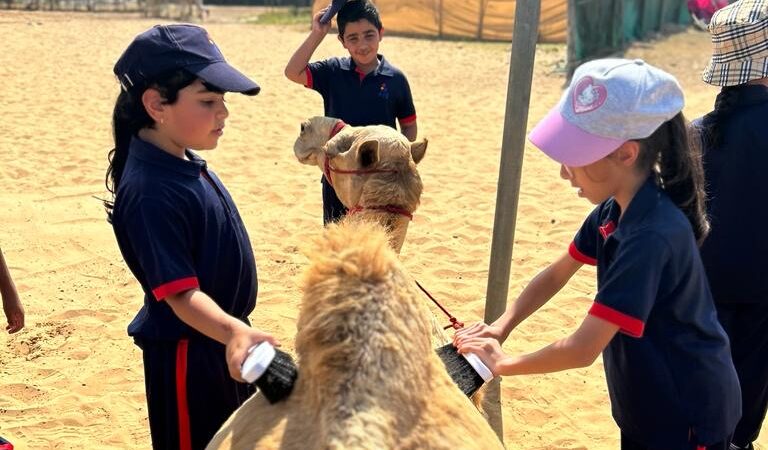
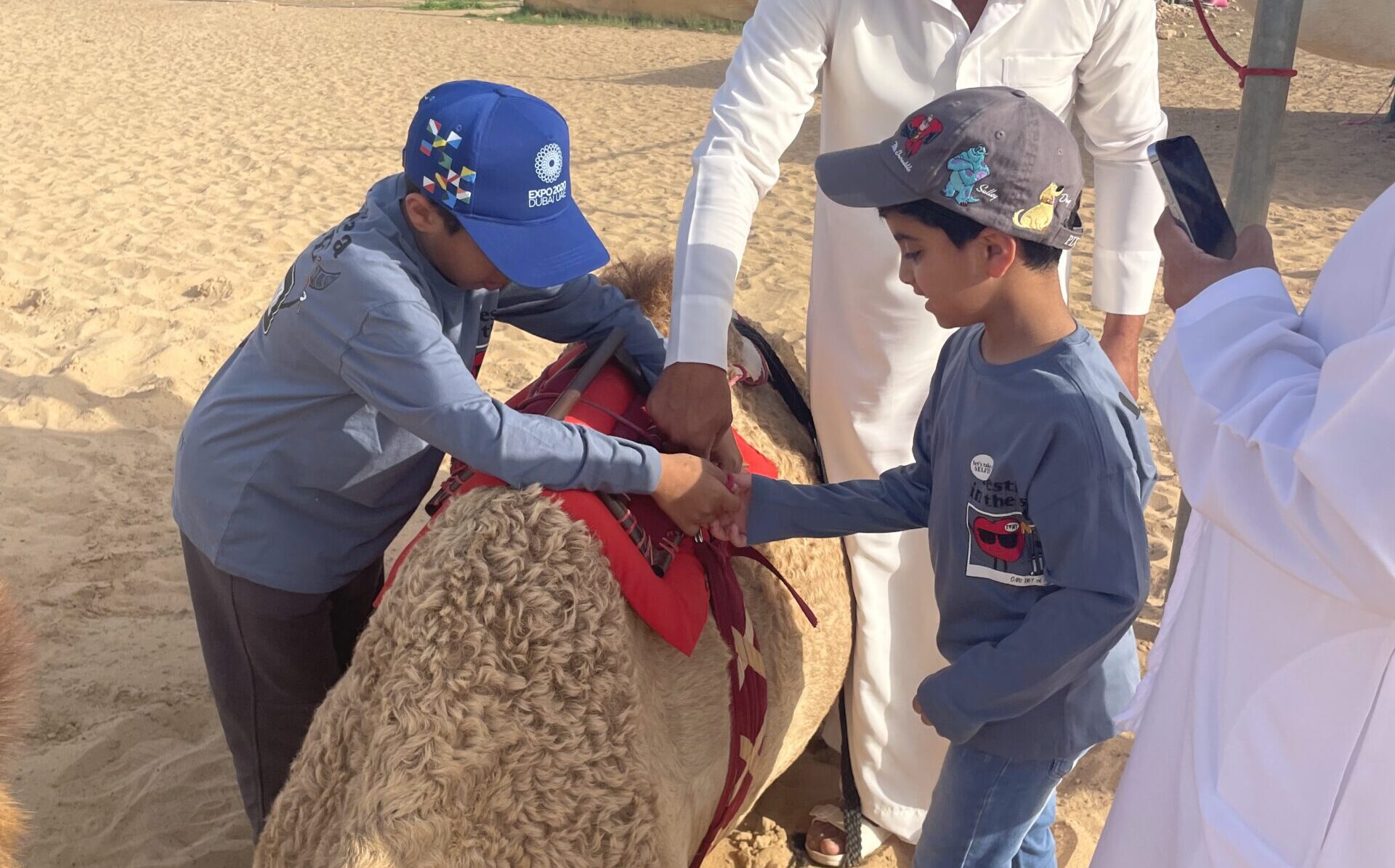
Through our educational programs, students are introduced to camels and their environment while developing essential life skills such as non-verbal communication, intuition, patience, and responsibility. Each experience encourages curiosity, respect for animals, and a deeper understanding of traditional desert life.

Programs can be customised and tailored to suit school curricula and specific grade levels. We are also available to discuss in-classroom facilitation as part of a wider learning experience.

Ibn Batuta and His Companions


Up close with camels and local history

Students explore the historical role of camels in trade, travel, and daily life, inspired by the journeys of Ibn Battuta. The program combines storytelling, hands-on learning, and sensory experiences to help students understand how camels supported long-distance travel and community life across the region. Children build foundational knowledge through observation, interaction, and guided discussion around camels and their role in shaping desert cultures.

Course Content

  • An interactive exploration of the role of camels in past, present, and future societies
  • Understanding camel welfare, diet, habitat, and daily care
  • Hands-on learning through guided interaction and observation
  • Introduction to camel anatomy and how it relates to desert life and heritage
  • An interactive exploration of the role of camels in past, present, and future societies
  • Understanding camel welfare, diet, habitat, and daily care
  • Hands-on learning through guided interaction and observation
  • Introduction to camel anatomy and how it relates to desert life and heritage

Program Details

  • Timings: October to March
  • Duration: 2 hours
  • Age Group: Grade 2–5
  • Curriculum: History, Social Studies, Animal Science

Camel Racing: Now and Then


Understanding tradition, sport, and modern practice
Camel racing has been recognised by UNESCO as an intangible cultural heritage. This program introduces students to the history and evolution of camel racing, from traditional practices to its modern-day form in the region. Students learn about the daily routines of racing camels, training methods, and the cultural importance of the sport, gaining insight into how tradition and innovation coexist.

Course Content

 
  • The origins of camel racing and its spread across different regions
  • Daily routines involved in training and caring for racing camels
  • Interaction with camels used in traditional racing demonstrations
  • Insight into how camels are prepared for racing
  • Optional race observation, dependent on schedule and availability
Program Details

  • Timings: October to March
  • Duration: 2 hours
  • Age Group: Grade 2–5
  • Curriculum: History, Social Studies, Animal Science, Physical Education

Camels and Sustainability


Exploring the camel’s role in a changing environment
Camels play a significant role in sustainable desert living and remain highly relevant in discussions around climate resilience and environmental adaptation. This program introduces students to how camels interact with their ecosystem and how traditional knowledge supports sustainable practices. Students examine camel products, resource use, and changing consumption patterns while developing awareness of environmental responsibility.

Course Content


  • Camel anatomy and adaptation to desert environments
  • The role of camels in sustainable food systems and resource use
  • An introduction to camel products and how they are valued locally
  • Understanding how consumer behaviour impacts sustainability
  • Exploring how traditional practices support environmental balance

Program Details

  • Timings: October to March
  • Duration: 2 hours
  • Age Group: Grade 2–5
  • Curriculum: History, Social Studies, Sustainability, Business and Economics

Interested in booking or learning more?

Our educational programs can be adapted to suit your school’s needs and learning objectives.